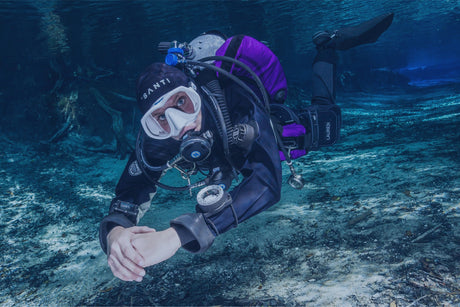

Imagine dipping into the warm, clear waters of Lauderdale-by-the-Sea (LBTS), Florida, just a short stroll from the beach. You glide over coral reefs, where sea turtles drift effortlessly and colorful fish swim around you. This is the magic of LBTS, Florida’s beach diving capital and home to the 3rd largest barrier reef in the world just 100-400 feet offshore, no boat required. But these underwater wonders are fragile, facing threats from warming seas and human impact.
At Gold Coast Scuba, we believe diving can be more than an adventure—it can be a force for good. Through sustainable practices, our eco-friendly tours, and our partnership with PADI, local non-profits and Florida Department of Environmental Protection's Coral Reef Conservation Program, we’re committed to preserving LBTS’s reefs. Join us as we explore how to dive responsibly, protect our unique corals, combat threats like coral bleaching, and contribute to restoration efforts. Let’s dive in and make every bubble count!
In this blog we'll explore the coral diseases impacting Florida reefs and ways you can be involved in protecting them, including:
- SEAFAN's BleachWatch Observer Program (Citizen Science)
- PADI's Drive Against Debris Specialty
- Local Organizations That Are Protecting Florida Reefs
- Techniques For Safe Diving & More
The Corals of LBTS: A Treasure Worth Protecting
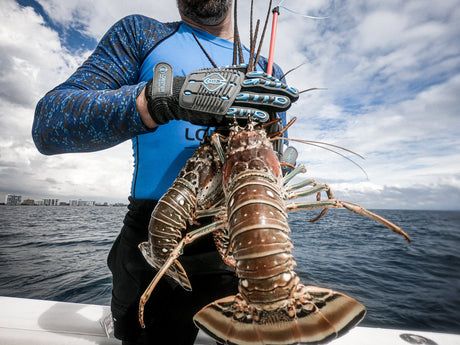
 The reefs of Lauderdale-by-the-Sea are part of Florida’s Coral Reef Tract, one of the largest in the world. In the shallow waters—often 10-30 feet deep—you’ll encounter an awesome array of corals that make LBTS a diver’s paradise. Elkhorn corals, with their antler-like branches, create habitats for juvenile fish and spiny lobsters. Brain corals, marked with grooves that look like mazes, stand sturdy as homes for small fish. Star corals add bursts of color, while soft octocorals, like golden sea fans and feathery sea rods, sway in the waters, filtering water and sheltering marine life. These corals aren’t just beautiful—they’re the backbone of a thriving ecosystem.
Why do they need our protection? Corals are living animals, vulnerable to warming oceans, pollution, and physical damage from unaware divers. They shield our coastlines from storms, support fisheries that feed communities, and draw divers from across the globe, fueling LBTS’s economy. Without healthy reefs, coastal flooding risks rise, marine biodiversity plummets, and the magic of shore diving fades. By diving with care, we ensure these corals continue to thrive, painting the ocean with life for future generations.
Call to Action: Become a Citizen Scientist with the BleachWatch Observer Program
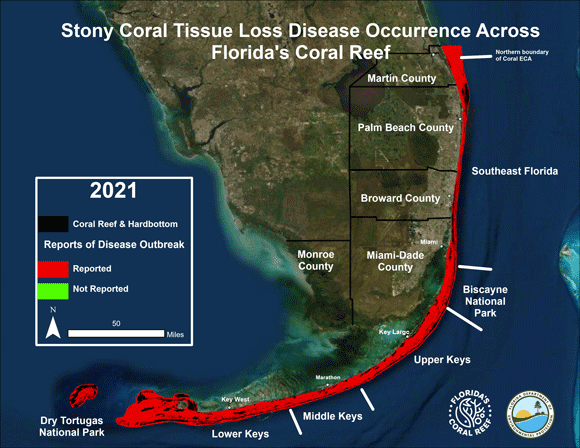
Two important diseases to be aware of are coral bleaching and stony coral tissue loss. According to Florida DEP, more than half of Florida's coral reefs have been impacted by stony coral tissue loss disease and it affects approximately half the species of coral, five of which are part of the endangered species act. Once effected with the disease, a colony of coral could be gone within months. The photo below, courtesy of Florida DEP, illustrates how widespread stony coral tissue loss disease is across South Florida into the Keys.
Coral bleaching is a growing threat to LBTS’s reefs, turning vibrant ecosystems pale and lifeless. When ocean temperatures climb too high—say, above 86°F for weeks—corals expel the tiny algae that give them color and energy, leaving them weak and prone to disease. In Florida, bleaching events have surged with increasing water temps, with severe cases hitting reefs statewide. Some corals die outright, while others can recover if cooler waters return quickly. The stakes are high: Reefs generate billions for Florida’s tourism and fishing industries, and their loss could destabilize ecosystems and local economies alike. In LBTS, where shallow reefs feel temperature shift very little, bleaching could become more frequent without action.

Do you want to actively protect Florida corals? Sign up for our BleachWatch course, offered several times a year. This half-day program sponsored by SEAFAN and taught by a certified BleachWatch instructor trains you to spot bleaching signs—like pale or white corals—and report your findings. The 2-3 hour course is free and for anyone to attend (we're talking to you, snorkeler and free divers!) and we offer an add-on dive following the class for an additional fee to cover the boat ticket, tanks and rental gear. This dive enables you to earn the PADI BleachWatch Distinctive Specialty Diver certification! You’ll learn to identify LBTS’s key corals, log data safely, and understand what drives bleaching. The optional guided dive follows, letting you practice your skills on our reefs. No prior experience is needed—just a dive certification to attend the dive portion and a passion for the ocean.

BleachWatch divers are vital watchdogs, alerting scientists to early bleaching signs so they can act fast, whether by shading corals or relocating them to nurseries. Become a citizen scientist and make every dive a step toward saving our reefs.
PADI Dive Against Debris Specialty:
Another option for protecting the Ocean is cleaning up debris, particularly plastic debris which accounts for 70% of all pollution, according to PADI research. Gold Coast Scuba offers the PADI Dive Against Debris specialty where you’ll learn how ocean plastic and trash cleanups not only keep your local dive sites healthier, but also how to contribute to a global database that documents our planet’s marine debris problem.
To complete this specialty, you'll complete the Dive Against Debris eLearning (approx 2-4 hours), then make a Dive Against Debris survey dive with a Gold Coast Scuba Instructor (approx. 1 day), during which you’ll collect marine debris underwater. After your dive, you’ll weigh, sort, record, dispose of and report your marine debris to the PADI AWARE Foundation database.
Minimum requirements include PADI Open Water or Freediver Certifications.
Upon earning this Specialty, it'll count towards your Advanced Open Water Certification and Master Scuba Diver rating.

Sustainable Practices for Every Diver
Eco-friendly diving is about adventure with purpose. At Gold Coast Scuba, we promote simple, yet impactful practices to protect LBTS’s reefs:
- No-Touch Coral Rule: Never touch or stand on corals. Even a light brush can break delicate branches or stir sediment that smothers polyps. Use a pointer stick to navigate and practice neutral buoyancy to hover effortlessly.
- Reef-Safe Sunscreen: Choose mineral-based sunscreens without oxybenzone or octinoxate, which harm corals. Apply 30 minutes before diving to minimize runoff. Check out our Stream2Sea collection and the new Coral Care sunscreen that supports Coral development.
- Controlled Finning: Use gentle, frog-style kicks instead of flutter kicks near corals to avoid stirring sediment or damaging delicate elkhorn branches. Practice in LBTS’s calm, shallow waters to perfect your technique and keep reefs pristine.
- Gear Management: Secure loose gear like gauges, cameras, or dive lights to prevent them from snagging on sea fans or star corals. Gold Coast Scuba’s rental gear is designed for easy clipping, so ask our team for tips to streamline your setup.
- Support Local Conservation: Join LBTS reef cleanup dives organized local organizations. Your participation helps remove debris that can suffocate corals and funds nursery-grown corals for replanting.
These practices aren’t just rules—they’re your chance to be a reef hero. Every dive can protect the ocean you love.
Gold Coast Scuba’s Eco-Tours: Adventure Meets Conservation
Our eco-friendly tours at Gold Coast Scuba are designed to inspire and empower. Led by PADI-certified instructors who know LBTS’s reefs like their own backyard, these shore dives blend exploration with education. Our tours are perfect for beginners and seasoned divers, with shallow, calm waters making it easy to focus on sustainability.
Ready to dive with purpose? Book an eco-tour today and see how thrilling conservation can be!
Learn More
Want to dive deeper into reef conservation? Check out these resources:
- NOAA Coral Reef Conservation Program: Learn about Florida’s reefs and bleaching threats.
- Southeast Florida Action Network (SEAFAN): Join the BleachWatch network for citizen science.
- PADI Aware Foundation: Tips for eco-friendly diving practices.
- Florida Fish and Wildlife Conservation Commission: Safe tips for fishing
All images are from the organization mentioned in their respective section.